
What a Competitive CPG Supply Chain Needs From Its Leaders
By Optimum Staff • 11/13/2026
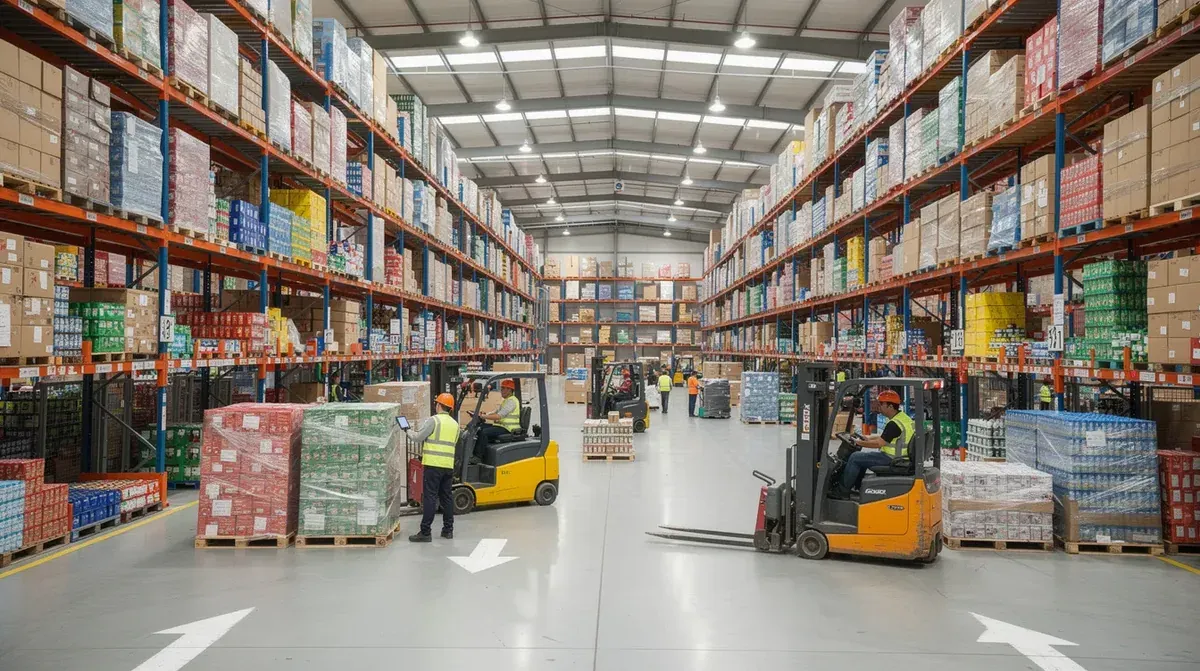
A competitive consumer packaged goods (CPG) supply chain keeps the right products on retail shelves and available online at target service levels and cost. Every strength along that path, from forecast accuracy and sourcing resilience to plant efficiency, distribution, and eCommerce fulfillment, is owned by a specific leader role. CPG items typically involve high turnover rates and low production costs, which means supply chain decisions compound fast and mistakes are expensive.
“CPG” covers food products, beverages, personal care, household goods, and other consumer products that consumers purchase frequently. This article is written for CPG employers deciding who should lead their supply chain, not for job seekers or consultants. Optimum’s CPG recruiters draw on more than 30 years of recruiting permanent supply chain, procurement, manufacturing, and distribution leaders across the U.S.
The post covers six core leadership capabilities that separate average CPG supply chains from competitive ones. The fastest lever to improve performance is hiring the right leaders for each capability.
What Makes a CPG Supply Chain Competitive?
A modern CPG supply chain manages high-volume, low-margin products across dense stock keeping unit (SKU) counts. Many CPG products have short shelf lives, and demand volatility is driven by promotions and seasonality. CPG supply chains face tighter operational constraints than general supply chains: fluctuating consumer demand, short product life cycles, and constant promotional pressure from retail partners.
CPG supply chains include five core stages. Sourcing raw materials sets the ceiling on downstream flexibility. Manufacturing converts sourced materials into finished goods. Warehousing manages inventory and ensures product freshness. Transportation moves goods from production to retail locations. Order fulfillment ensures the right products reach consumers on time. Competitive chains balance service level, cost to serve, and inventory turns while supporting multi-channel and omnichannel fulfillment across club, grocery, dollar, drug, mass, eCommerce, and direct-to-consumer channels. Traditional CPG operations focused on cost efficiency, while today’s models emphasize agility.
Many CPG portfolios include food and beverage items, adding complexity in manufacturing, packaging, and distribution. For more on that overlap, see Optimum’s food and beverage hiring expertise. Optimum recruits the leaders who run these supply chains, from demand planning and procurement to plants and distribution, but does not redesign networks, run systems, or consult on operations. The rest of this article breaks “competitiveness” into six leadership capabilities that can be owned, measured, and staffed.
6 Leadership Capabilities of a Competitive CPG Supply Chain
Each capability below has three parts: what good looks like, which leader role owns it, and what fails without that leader. Technology advancements like AI and automation are transforming the CPG supply chain, but tools without the right leaders produce dashboards nobody acts on. These six capabilities map to real roles in CPG companies: sales and operations planning (S&OP) leader, procurement head, plant manager, distribution director, eCommerce fulfillment leader, and trade promotion or customer supply leader.
1. Demand Sensing and S&OP Discipline
Strong demand planning in a CPG company means integrated demand forecasting and demand sensing across channels, with forecast accuracy tracked at the SKU-retailer level. Demand forecasting relies on historical sales data and market trends, while demand sensing pulls short-lag demand signals like point-of-sale data and promotional sell-through. Key performance indicators in CPG include forecast accuracy and inventory turnover, and sales and operations planning aligns forecasts and production capacity so the business makes coordinated planning decisions rather than reacting to surprises.
The bullwhip effect describes large fluctuations in supply chain orders based on small changes in consumer demand, and without disciplined S&OP, those fluctuations ripple through every node. Effective inventory strategy segments products by demand patterns, and inventory management reduces buffer stock without increasing service risk.
The leader who owns this is typically a Director of Demand Planning or S&OP Manager. Without that leader, you get chronic forecast misses, emergency changeovers, rush freight, excess inventory on slow-moving SKUs, and tense conversations with finance and retail customers. Optimum presents vetted candidates for this role within 10 business days for most searches, drawing on a network of about 30,000 active and passive supply chain professionals. Our guide on how to hire an S&OP leader covers that search in detail.
2. Resilient, Cost-Aware Sourcing
Resilient sourcing in the CPG context means direct material sourcing that balances unit cost, supplier risk, and flexibility across commodities, packaging, and co-manufacturers. Commodity volatility in input costs is a constant. Supplier strategy includes dual-sourcing critical inputs to reduce risk, and a supplier scorecard tracking quality, lead time, and reliability keeps sourcing raw materials from becoming a blind spot.
Agile and localized sourcing helps mitigate supply chain disruptions in CPG, especially for packaging and co-packing agreements that support seasonal or promotional surges. The leader here is a Director of Procurement or Sourcing who manages strategic suppliers, co-manufacturing relationships, and packaging vendors for multiple CPG brands. Without that leader, you get single-sourced critical ingredients, last-minute spot buys, frequent line stoppages, and margin erosion from unplanned cost swings. Optimum’s procurement recruiters target proven CPG sourcing leaders who have managed supplier risk and supplier lead times under stress.
3. Lean, Flexible Manufacturing
Competitive CPG plants combine lean manufacturing discipline with flexibility: high overall equipment effectiveness (OEE), efficient changeovers across many SKUs and pack sizes, strong adherence to standard work, and continuous improvement on scrap, labor, and energy. Contract manufacturing and co-manufacturers add further coordination demands, as their output must integrate with your production planning without destabilizing the network.
The Plant Manager or Director of Manufacturing owns throughput, quality, line staffing, changeovers, and alignment with the demand plan. Without this leader, plants get stuck in constant changeover firefights, lose production capacity to unplanned downtime, miss orders during peak seasons, and create friction between operations, scheduling, and commercial teams. Optimum’s manufacturing recruiting practice finds plant and manufacturing leaders who have run lean transformations and improved OEE in CPG environments, giving you vetted candidates quickly for critical sites.
4. Multi-Channel Distribution
Good multi-channel distribution for CPG companies means a distribution network that supports big-box retailers, club, grocery, convenience, and wholesalers while protecting on-time-in-full performance, service levels, and cost to serve. Positioning inventory across regional distribution centers, coordinating with retail customers on delivery windows, and managing penalty structures all require a seasoned leader.
The Director or VP of Distribution owns distribution centers, transportation partners, logistics providers, performance metrics like fill rate, and the integration of new channels without degrading legacy service. Without this leader, you face chronic retailer chargebacks, missed in-store resets, rising freight costs, and frustrated distribution center teams juggling competing priorities. These responsibilities demand the capabilities outlined in Optimum’s article on the VP of distribution. Optimum’s 30-plus years of work in logistics and distribution recruiting helps employers surface leaders who have run multi-node CPG distribution networks.
5. eCommerce and Direct-to-Consumer Fulfillment
eCommerce fulfillment and direct-to-consumer (DTC) orders impose different service expectations than pallet-based retail: smaller order sizes, higher pick accuracy, faster cycle times, more returns, and a higher cost to serve. Reverse logistics adds further complexity. Success looks like integrated supply chain visibility between DTC and retail channels, fulfillment centers designed for each flow pattern, and tailored packaging that protects product and brand reputation.
The Director of eCommerce Fulfillment or an omnichannel fulfillment leader owns warehouse management for each-pick operations, order processing, KPIs, and coordination with marketing, IT, and customer experience teams. Without that leader, DCs built for pallet flow struggle with each-pick orders, return tracking erodes margin, and eCommerce promises like two-day shipping fall apart. Optimum taps its national network to find leaders who have added eCommerce and DTC channels to traditional CPG distribution, lowering the odds of a costly mis-hire.
6. Retailer Partnership and Trade Promotion Logistics
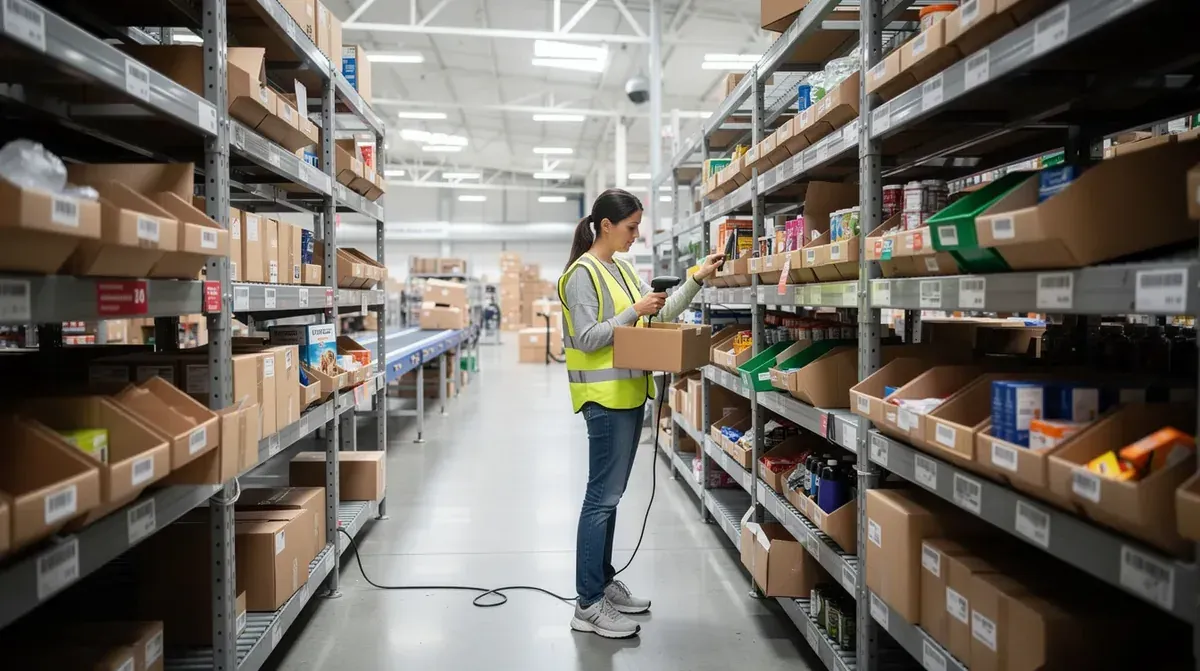
This capability covers the operational side of category management and trade promotion: aligning promotional calendars, ensuring display and shipper availability, and protecting shelf placement during high-volume events.
The likely owners include a Director of Customer Supply Chain, a Director of Category Management with a supply focus, or a senior account-facing operations leader who bridges commercial and supply chain teams. Without strong leadership here, you get late or incomplete promotional shipments, empty displays during key weeks, retailer scorecard penalties, and damaged trust that takes years to rebuild. Optimum routinely recruits these customer-facing supply chain leaders for CPG brands, presenting a vetted shortlist that combines retail customer experience with operational depth so you can protect critical retail relationships.
The CPG Roles That Carry These Capabilities
Each capability maps to concrete roles, and different search models fit different hiring needs and seniority levels.
| Leader | Capability They Own | Search Model and Guarantee |
|---|---|---|
| Director of Demand Planning or S&OP Manager | Demand sensing and S&OP discipline | Contingency, 90-day replacement guarantee |
| Director of Procurement or Sourcing | Resilient, cost-aware sourcing | Contingency, 90-day replacement guarantee |
| Plant Manager or Director of Manufacturing | Lean, flexible manufacturing | Contingency, 90-day replacement guarantee |
| Director of Distribution or eCommerce Fulfillment | Multi-channel distribution and DTC fulfillment | Contingency, 90-day replacement guarantee |
| Several of these at once (new plant or DC) | Multiple capabilities simultaneously | Dedicated Engagement, 120-day replacement guarantee |
| VP of Supply Chain, General Manager, or C-level | Enterprise-wide supply chain management | Retained, 180-day replacement guarantee |
VP of Supply Chain, General Manager, and C-level searches use Optimum’s retained recruiting model: a single upfront container fee held in escrow for up to a year if the role is not filled, a 20-day money-back window, and a 180-day replacement guarantee. Contingency searches carry a 90-day replacement guarantee, and Dedicated Engagement is ideal when staffing several mid-to-senior roles quickly for a new plant or distribution center, with a small upfront fee and the flexibility to add, swap, or remove roles as priorities shift.
Signs Your CPG Supply Chain Has a Leadership Gap
Repeated forecast misses that trigger rush freight on the same accounts quarter after quarter point to a demand planning gap, not a data problem. Persistent service-level or fill rate misses on one or two key retail accounts suggest the distribution or customer supply chain leader role is either vacant or miscast. Plants stuck in constant firefighting around changeovers, with OEE stuck below target, often lack the manufacturing leader who drives standard work and continuous improvement. High safety stock paired with poor inventory turns is a classic sign of demand shifts going unmanaged.
Other warning signs include rising cost to serve in eCommerce channels, missed commitments on trade promotion execution, and chronic supplier issues that procurement teams never quite resolve despite advanced analytics. When a critical leadership role sits vacant for months and an overworked manager tries to cover it, service, margins, and quality standards all erode. The cost of a bad hire in these roles compounds through lost shelf space, margin erosion, and culture damage that affects retention across the team.
If several of these patterns sound familiar, the issue is rarely tools or enterprise resource planning systems alone. It is usually a gap in the leader who owns the capability, and that is where an experienced recruiting partner adds the most value.
Why CPG Employers Choose Optimum
Optimum focuses on permanent supply chain, procurement, manufacturing, and distribution leadership roles for CPG companies nationwide. The firm does not place hourly or seasonal staff. More than 30 years of recruiting supply chain leaders from manager through C-level, combined with a network of about 30,000 supply chain professionals (active and passive candidates), means Optimum typically delivers vetted candidates within 10 business days for most roles.
Optimum has placed CPG supply chain leaders with companies such as Mars, Kraft Heinz, and Conagra.
Optimum’s advantage is knowing which leadership capabilities drive a competitive CPG supply chain and then using targeted outreach to reach passive candidates who are not actively applying. For each of the six capabilities above, Optimum translates your specific CPG supply chain challenges into the right candidate profile so you stay ahead of demand shifts and market trends.
Frequently Asked Questions
How do CPG supply chain leaders differ from other industries?
CPG supply chain leaders work with high-SKU, fast-moving portfolios where consumer demand can shift week to week based on promotions, weather, and consumer behavior. Leaders in durable goods or project-based manufacturing typically work with longer lead times, fewer SKUs, and less volatile demand data. Strong CPG leaders are used to managing trade-offs between forecast accuracy, safety stock, service levels, and cost to serve under constant promotion and channel shifts.
How fast can you fill a CPG supply chain leader role?
For most manager and director-level CPG roles, Optimum presents vetted candidates within 10 business days. VP, GM, and C-level CPG searches under the retained model may take longer due to deeper assessment, but the early pipeline still moves quickly because of Optimum’s established network.
What does it cost to hire a CPG supply chain leader?
Optimum’s placement fee is 25% of first-year base salary across contingency, Dedicated Engagement, and retained models. Contingency searches include a 90-day replacement guarantee. Dedicated Engagement adds a small upfront fee plus a 120-day replacement guarantee for multiple roles. Retained executive search for VP and above includes a single container fee, escrow protection, and a 180-day replacement guarantee. Weigh this investment against the long-term cost of vacant roles, recurring service failures, and a wrong hire in critical CPG supply chain positions.
Next Steps
If you recognize one or more of these capability gaps in your CPG supply chain, start a conversation with Optimum. Share your open roles and priorities, and you will get a straightforward view of timelines and candidate availability in your segment.
Ready to Hire?
Click below and we will have you interviewing within 10 business days!
Hire Top Talent